Practice 1 Ansys
Practice 1 Ansys
6 Ansys terms
ANSYS develops, markets and provides support to engineering through software of simulation to predict how it will work and react given product under a real environment. ANSYS continually develops technology focused on simulation and over time has acquired other software to offer a suite of applications that can be unified for the most complex problems. It also supports the industry.
- Density
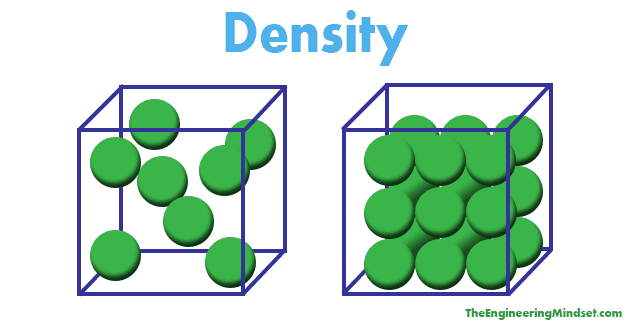
- In science, the density of a substance or object is the relation of its mass or weight to its volume.
- Example: The region has a very high population density.
- es: Densidad
- Heat dissipator
- Heat dissipation is a type of heat transfer. Heat dissipation occurs when an object that is hotter than other objects is placed in an environment where the heat of the hotter object is transferred to the colder objects and the surrounding environment. Heat dissipation occurs in a variety of ways.
- es: Disipador de calor

- Heat flux
- Heat flux or thermal flux, sometimes also referred to as heat flux density, heat-flow density or heat flow rate intensity is a flow of energy per unit of area per unit of time. It has both a direction and a magnitude, and so it is a vector quantity. To define the heat flux at a certain point in space, one takes the limiting case where the size of the surface becomes infinitesimally small.
- es: Flujo de calor

- Steady state
- The concept of a steady state has relevance in many fields, in particular thermodynamics, economics, and engineering. If a system is in a steady state, then the recently observed behavior of the system will continue into the future.
- es: Estado estable

- Temperature load
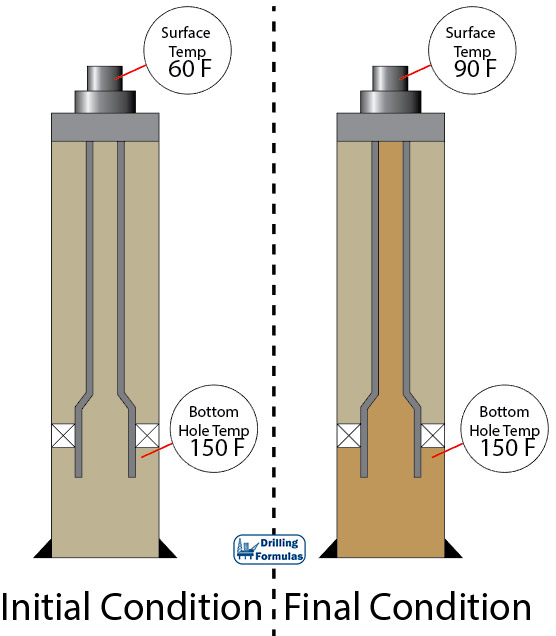
- Temperature loads allow you to simulate temperature changes over your model. They provide valuable information on how the structure of your model deforms due to a particular temperature change.
- es: Carga de temperatura
- Thermal stress
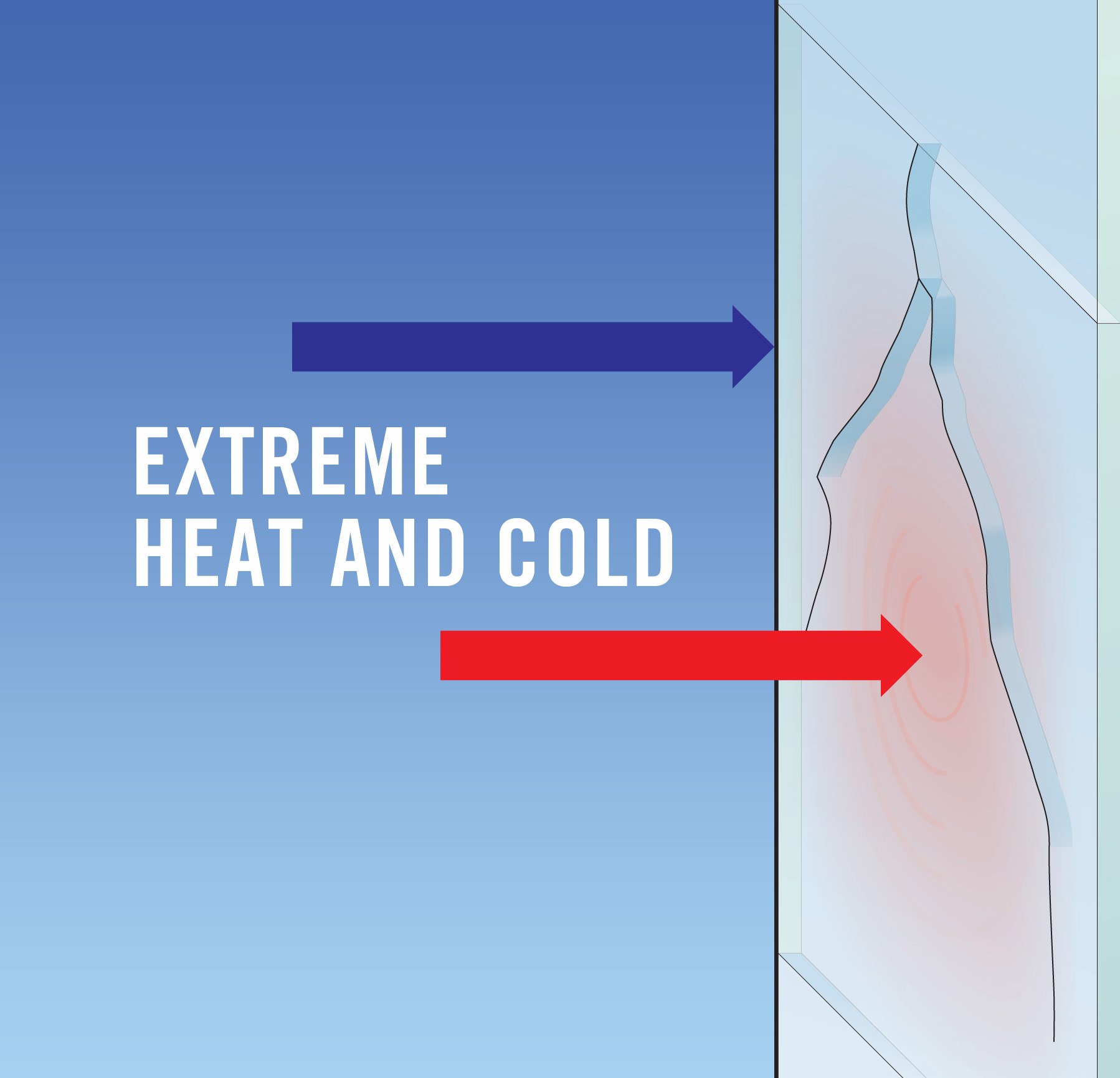
- Thermal stress is mechanical stress created by any change in temperature of a material. These stresses can lead to fracturing or plastic deformation depending on the other variables of heating, which include material types and constraints.
- es: Estrés térmico